Creating a home office space that inspires productivity can make a significant difference in how efficiently you work and how comfortable you feel throughout the day. Whether you work remotely full-time or occasionally need a quiet spot for tasks, an organized and well-designed office can enhance your focus and overall well-being.
In this post, we’ll explore practical tips to help you create a productive home office tailored to your needs.
Choose the Right Location
Selecting the best spot in your home for your office is the foundation of a productive workspace.
– Consider natural light: Position your desk near a window to take advantage of natural daylight. This can improve mood and reduce eye strain.
– Minimize distractions: Find a quiet corner away from busy household areas like the kitchen or living room.
– Space availability: Ensure there is enough room for your desk, chair, and storage without feeling cramped.
Invest in Ergonomic Furniture
Comfort affects productivity more than many realize. Ergonomic furniture supports good posture and reduces fatigue.
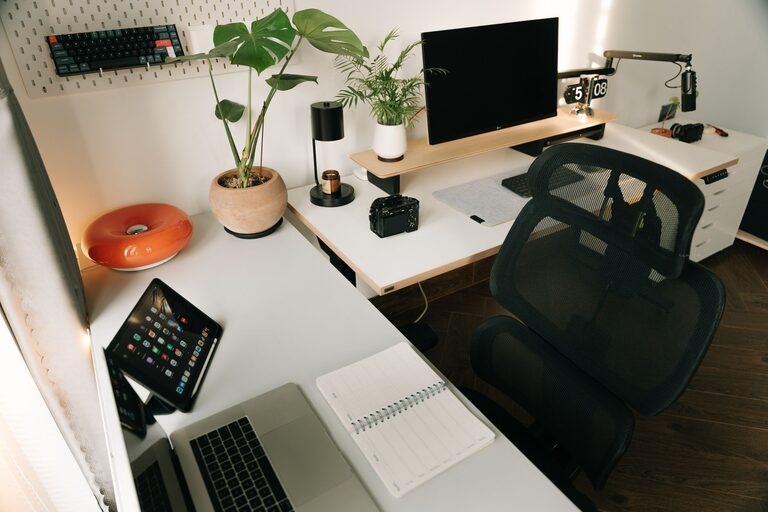
– Ergonomic chair: Choose a chair with adjustable height, lumbar support, and comfortable cushioning.
– Proper desk height: Your desk should allow your elbows to be at a 90-degree angle when typing or writing.
– Monitor placement: The top of your computer screen should be at or slightly below eye level to prevent neck strain.
Organize for Efficiency
Clutter can disrupt your focus. Keeping your workspace organized makes it easier to find what you need and maintain a clear mind.
– Declutter your desk: Only keep essential items within reach.
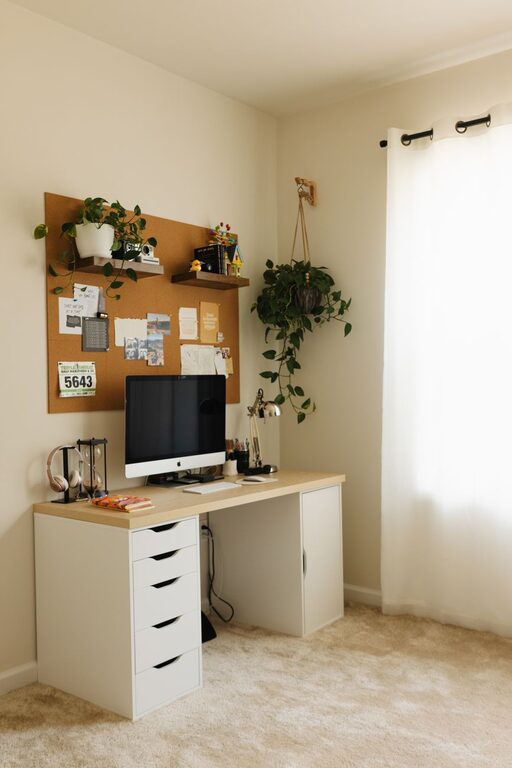
– Use storage solutions: Shelves, filing cabinets, and drawer organizers can help keep documents and supplies tidy.
– Cable management: Use clips or sleeves to keep cords out of the way and avoid tangling.
Personalize Your Space
Making your office a pleasant environment can boost motivation and creativity.
– Add plants: Indoor plants improve air quality and add a touch of nature.
– Incorporate personal touches: Photos, artwork, or items that inspire you can make the space feel welcoming.
– Choose calming colors: Soft or neutral tones often help create a relaxed atmosphere.
Optimize Lighting
Proper lighting reduces eye strain and helps maintain energy levels.
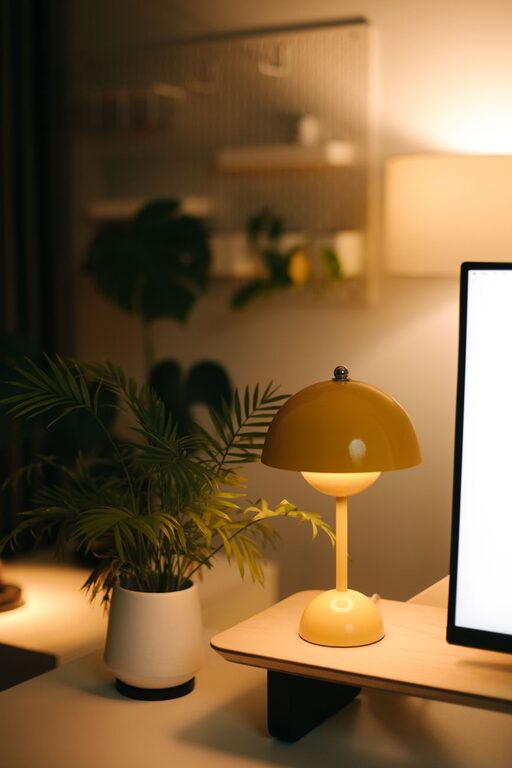
– Combine natural and artificial light: Use desk lamps that provide focused light along with ambient room lighting.
– Avoid glare: Position screens and lighting to reduce reflections.
– Use adjustable lighting: Being able to control brightness can help match different tasks and times of day.
Set Boundaries and Routines
Creating a productive home office also means building habits that support work-life balance.
– Define work hours: Stick to a schedule to help separate work time from personal time.
– Limit distractions: When working, consider putting your phone on Do Not Disturb or using apps that block distracting websites.
– Take breaks: Schedule short breaks to stand, stretch, and refresh your mind.
Use Technology Wisely
Leverage technology to boost productivity but avoid letting it become a distraction.
– Reliable internet: Ensure you have a stable connection to avoid disruptions.
– Essential tools: Use apps for time management, note-taking, and communication that fit your workflow.
– Keep devices charged: Organize power outlets or charging stations within easy reach.
Maintain Your Space
A clean and well-maintained office promotes consistent productivity.
– Daily tidying: Spend a few minutes at the end of each day clearing your desk.
– Regular cleaning: Dust your equipment and vacuum the area weekly.
– Review and adjust: Periodically assess your setup to make improvements as needed.
—
Creating a productive home office is a blend of thoughtful design, organization, and healthy habits. By implementing these tips, you can build a space that not only supports your work but also enhances your overall comfort and satisfaction throughout the day. Happy working!
About the Author